Premium-Quality Hops from the Heart of Yakima Valley

Why Our Hops Are Exceptional

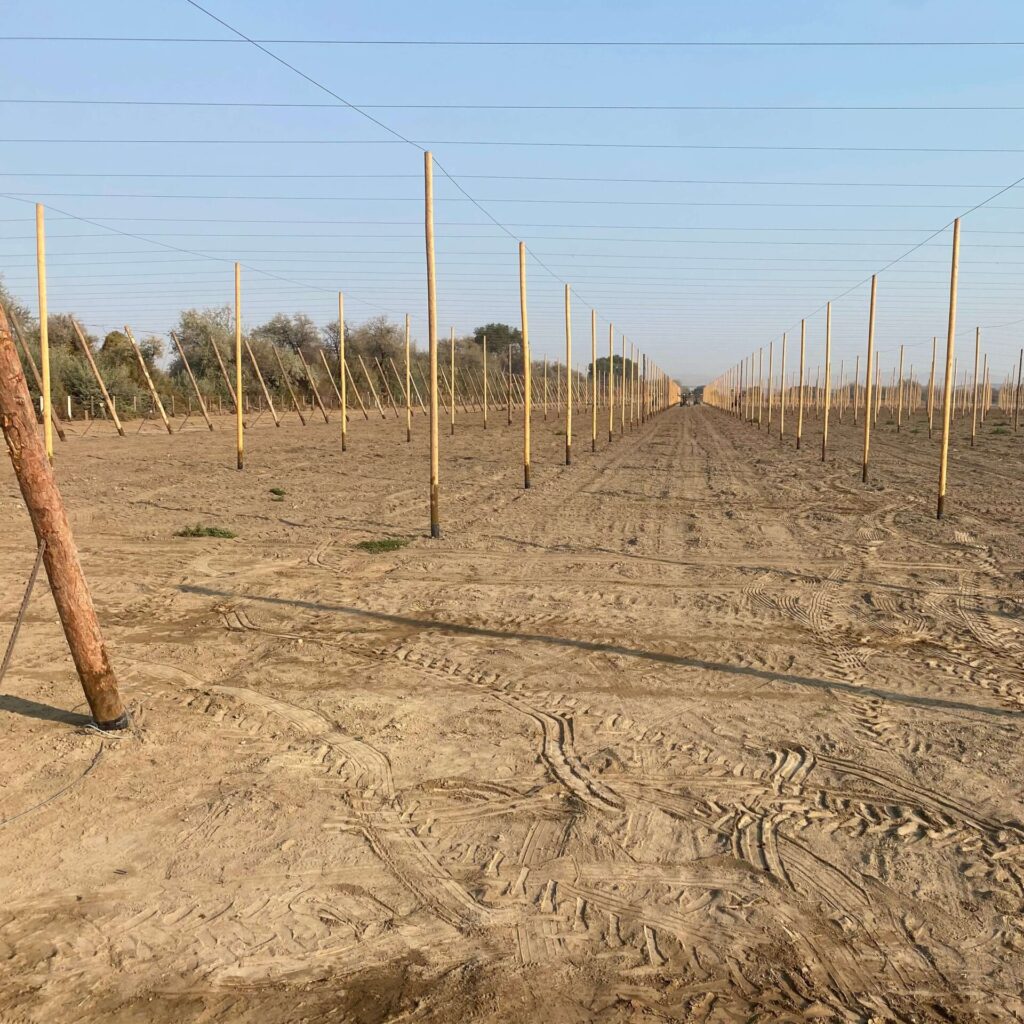
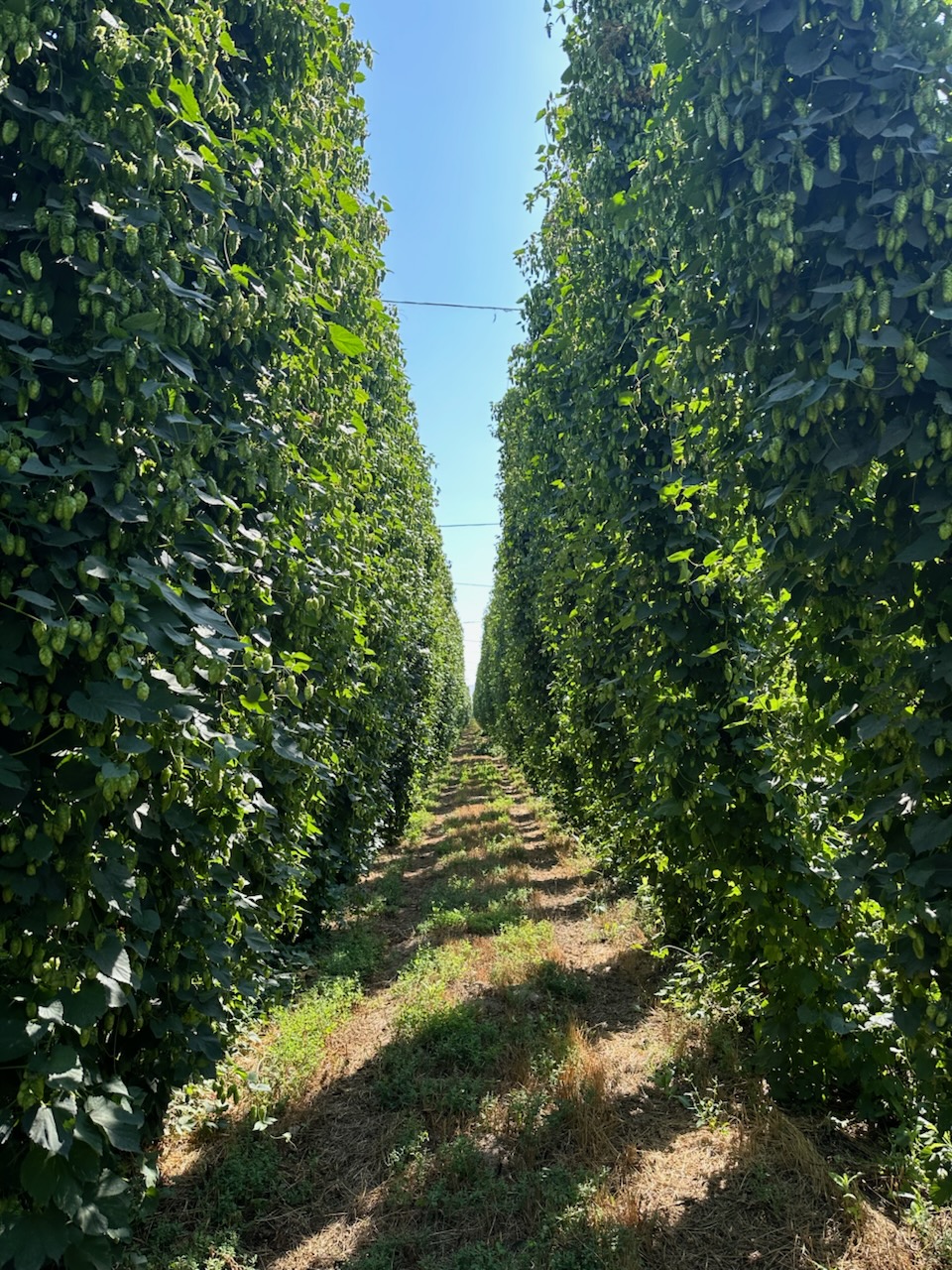
Nestled in the sun-drenched slopes of the Yakima Valley, our hop-growing operation benefits from one of the world’s premier terroirs for hops. The warm days, cool nights, and well-drained soils come together here to produce bold, aromatic, and balanced hops that brewers and craft beer lovers adore.

Grown with Care

We take pride in cultivating our hops, following the strictest standards for sustainability and purity. Our commitment means only natural, nutrient-rich compost is used.

A cornerstone of our approach is using our own organic compost, created from returned vine waste, plant matter, and green materials. By returning this organic matter back into the earth, we restore soil health, maintain fertility, and boost beneficial microbial activity. That means healthier hop bines — and a cleaner, more vibrant flavor profile in every cone.

The Advantage of Yakima Valley

Growing hops in Yakima Valley is more than just geography – it’s a competitive edge:

Ideal Climate

Hot, dry summers and cool nights help hops develop potent essential oils and alpha acids.

Rich, Volcanic Soils

Our soil is naturally mineral-rich and free-draining, allowing for vigorous root systems and consistent growth.

Water Efficiency

We maximize water use through smart irrigation, optimizing every drop while maintaining hop quality.

Combined, these conditions let us reliably produce top-tier aroma and bittering hops year after year.

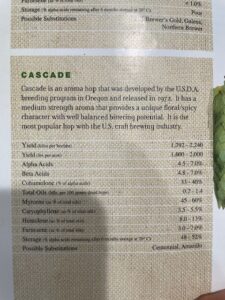
Cascade

Cascade is an aroma hop that was developed by the USDA breeding program in Oregon and released in 1972. It has a medium strength aroma that provides a unique floral / spicy character with well balanced bittering potential. It is the most popular hop with the U.S. craft brewing industry.


Yield (lbs per acre) –1,600 – 2,000
Alpha Acids –4.5 – 7.0%
Beta Acids –4.8 – 7.0%
Cohumulone (% of alpha acids) –33 – 40%
Total Oils (Mls. per 100 grams dried hops) –0.7 – 1.4
Myrcene (as % if total oils) –45 – 60%
Caryophyllene (as % of total oils) –3.5 – 5.5%
Humulene (as % of total oils) –8.0 – 13%
Farnesene (as % of total oils) –3.0 – 7.0%
Storage (% of alpha acids remaining after 6 months) –48 – 52%
Possible Substitutions –Centennial, Amarillo

Yield (lbs per acre) – 

Alpha Acids – 

Beta Acids –

Cohumulone (% of alpha acids) –

Total Oils (Mls. per 100 grams dried hops) – 

Myrcene (as % if total oils) – 

Caryophyllene (as % of total oils) – 

Humulene (as % of total oils) – 

Farnesene (as % of total oils) – 

Storage (% of alpha acids remaining after 6 months) –

Possible Substitutions – 

1,600 – 2,000

4.5 – 7.0%

4.8 – 7.0%

33 – 40%

0.7 – 1.4

45 – 60%

3.5 – 5.5%

8.0 – 13%

3.0 – 7.0%

48 – 52%

Centennial, Amarillo

Centennial

Centennial is an aroma variety that was release in 1990. It was derived from three-quarters Brewers Gold with minor contributions from Fuggle, East Kent Golding and others. It is among the most popular varieties for U.S. craft brewers and is sometimes referred to as a super Cascade.


Yield (lbs per acre) –1,600 – 2,000
Alpha Acids –4.5 – 7.0%
Beta Acids –4.8 – 7.0%
Cohumulone (% of alpha acids) –33 – 40%
Total Oils (Mls. per 100 grams dried hops) –0.7 – 1.4
Myrcene (as % if total oils) –45 – 60%
Caryophyllene (as % of total oils) –3.5 – 5.5%
Humulene (as % of total oils) –8.0 – 13%
Farnesene (as % of total oils) –3.0 – 7.0%
Storage (% of alpha acids remaining after 6 months) –48 – 52%
Possible Substitutions –Centennial, Amarillo

Yield (kilos per hectare) – 

Yield (lbs per acre) – 

Alpha Acids – 

Beta Acids – 

Cohumulone (% of alpha acids) – 

Total Oils (Mls. per 100 grams dried hops) – 

Myrcene (% of total oils) – 

Caryophyllene (% of total oils) –

Humulene (% of total oils) – 

Farnesene (% of total oils) – 

Storage (% alpha acids remaining after 6 months storage at 20° C) – 

Possible Substitutions – 

1,700 – 2,000

1,500 – 1,750

9.5 – 11.5%

3.5 – 4.5%

29 – 30%

1.5 – 2.5

45 – 55%

5.0 – 8.0%

10 – 18%

<1.0%

60 – 65%

Cascade, Amarillo

Chinook

Chinook was developed by the U.S.D.A. breeding program in Washington State and released in 1985 as a high alpha variety. It has a high acceptable beer aroma profile with smooth bitterness and full flavor.

Yield (kilos per hectare) – 

Yield (lbs per acre) – 

Alpha Acids – 

Beta Acids – 

Cohumulone (% of alpha acids) – 

Total Oils (Mls. per 100 grams dried hops) – 

Myrcene (% of total oils) – 

Caryophyllene (% of total oils) –

Humulene (% of total oils) – 

Farnesene (% of total oils) – 

Storage (% alpha acids remaining after 6 months storage at 20° C) – 

Possible Substitutions – 
1,904 – 2,352

1,700 – 2,100

12.0 – 14%

3.0 – 4.0%

29 – 35%

1.7 – 2.7

35 – 40%

9.0 – 11.0%

18 – 23%

<1.0%

68%

Nugget, CTZ, Galena

Comet

Comet is a bold, dual-purpose U.S. hop known for its intense citrus (grapefruit, tangerine) and tropical (pineapple, mango) aromas with grassy, piney, and slightly resinous notes, rediscovered for modern hazy IPAs, pale ales, and even lagers after its 1970s release as a high-alpha bittering hop. Its profile offers a unique, untamed fruitiness and can add complexity alongside hops like Citra, making it great for late additions and dry-hopping.

Yield (kilos per hectare) – 

Yield (lbs per acre) – 

Alpha Acids – 

Beta Acids – 

Cohumulone (% of alpha acids) – 

Total Oils (Mls. per 100 grams dried hops) – 

Myrcene (% of total oils) – 

Caryophyllene (% of total oils) –

Humulene (% of total oils) – 

Farnesene (% of total oils) – 

Storage (% alpha acids remaining after 6 months storage at 20° C) – 

Possible Substitutions – 

1,900 – 2,250

1,700 – 2,000

8 – 10.5%

3.0 – 6.1%

40 – 45%

1.4 – 3.3

40 – 65%

5 – 7%

1 – 2%

< 1.0%

49%

Columbus, Centennial

Columbus/
Tomahawk/Zeus (CTZ)

These three super high alpha varieties are often grouped together and referred to as CTZ. Each of these varieties has alpha acid content of between 14.5-16.5% and share the same female parent as Nugget. Originally bred for their high alpha value, they have also become popular for their oil profile.

Yield (kilos per hectare) – 

Yield (lbs per acre) – 

Alpha Acids – 

Beta Acids – 

Cohumulone (% of alpha acids) – 

Total Oils (Mls. per 100 grams dried hops) – 

Myrcene (% of total oils) – 

Caryophyllene (% of total oils) –

Humulene (% of total oils) – 

Farnesene (% of total oils) – 

Storage (% alpha acids remaining after 6 months storage at 20° C) – 

Possible Substitutions – 
2,800 – 3,249

2,500 – 2,900

14.5 – 16.5%

4.0 – 5.0%

28 – 32%

2.0 – 3.0

40 – 50%

9.0 – 11%

12 – 18%

<1.0%

Good

Galena, Chinook, Nugget

Family Owned & Operated - Over 70 Years Strong

Our story is rooted in tradition. For more than seven decades, our family has tended these lands, passed down hop-farming knowledge through generations, and built a legacy of excellence. Each season, we draw on our history, our relationships, and our respect for the land to hand-craft hops that tell the story of our Valley and our family.

Fresh flavor for your Brew!

Sustainability at the Core

Being family-owned isn’t just about heritage — it’s about responsibility.

  • Closed-Loop Composting: Our farm recycles hop vine clippings and organic waste by turning them into rich compost that feeds the soil.
  • Resource Stewardship: We prioritize water conservation and soil health so that future generations of growers can thrive.
  • Biodiversity & Soil Regeneration: Through regenerative organic practices, we nourish the land rather than deplete it.

Why Brewers Choose Our Hops

When brewers select our Yakima Valley-grown hops, they’re choosing:

  1. Premium, aromatic quality — derived from terroir, not shortcuts.
  2. Integrity — clean, transparent growing practices.
  3. Sustainable sourcing — supporting a family farm with deep roots and long-term vision.
  4. Consistent excellence — cultivated by hands and hearts that know hop farming like no other.

If you’re a brewer, retailer, or beer lover looking to connect with hops that reflect the best of the Yakima Valley — we’d love to talk. Reach out to us to learn more about our hop varieties, crop cycles, or to place an order.

Contact Kyle Shinn – (509) 840-4417
Hops we have in stock – Cascade, Chinook, Centennial, Comet, CTZ

Spot Ordering vs Contract

Lorem Ipsum is simply dummy text of the printing and typesetting industry. Lorem Ipsum has been the industry’s standard dummy text ever since the 1500s, when an unknown printer took a galley of type and scrambled it to make a type specimen book. It has survived not only five centuries, but also

Lorem Ipsum is simply dummy text of the printing and typesetting industry. Lorem Ipsum has been the industry’s standard dummy text ever since the 1500s, when an unknown printer took a galley of type and scrambled it to make a type specimen book. It has survived not only five centuries, but also

Lorem Ipsum is simply dummy text of the printing and typesetting industry. Lorem Ipsum has been the industry’s standard dummy text ever since the 1500s, when an unknown printer took a galley of type and scrambled it to make a type specimen book. It has survived not only five centuries, but also

Lorem Ipsum is simply dummy text of the printing and typesetting industry. Lorem Ipsum has been the industry’s standard dummy text ever since the 1500s, when an unknown printer took a galley of type and scrambled it to make a type specimen book. It has survived not only five centuries, but also

Lorem Ipsum is simply dummy text of the printing and typesetting industry. Lorem Ipsum has been the industry’s standard dummy text ever since the 1500s, when an unknown printer took a galley of type and scrambled it to make a type specimen book. It has survived not only five centuries, but also

Lorem Ipsum is simply dummy text of the printing and typesetting industry. Lorem Ipsum has been the industry’s standard dummy text ever since the 1500s, when an unknown printer took a galley of type and scrambled it to make a type specimen book. It has survived not only five centuries, but also